

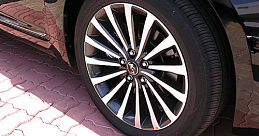
 Proper car maintenance requires that you check your tire pressure regularly. Many newer cars offer a tire pressure monitoring system, but not all vehicles have this technology. It’s important for your safety and for your vehicle that you ensure your tires are properly inflated. Underinflated tires can lead to extremely dangerous situations on the road.
Increased Wear
One of the most common reasons you want to ensure that your tires are properly inflated is to cut down on increased wear. When your tires are underinflated, more of the surface area of the tire is in contact with the road at all times. This leads to more wear on the tires, and in many instances can lead to the tires wearing out significantly faster than normal. This increased wear also leads to a higher failure rate of the tire than expected. When a tire fails due to low tire pressure, accidents happen on the road.
Longer Stopping Distances
Another danger you have to consider with underinflated tires is the stopping distance of your vehicle. When a tire doesn’t have enough air pressure, it creates more friction. This friction can make it more difficult to get the car to a complete stop. In fact, low tire pressure can cause dangerously long stopping distances, which in the long run leads to crashes. To ensure that you have the best stopping distance possible on your car, ensure that your brakes are in good condition and the tires are properly inflated.
Reduced Handling
Along with all the other problems you’ll have when you drive with underinflated tires, you’ll also have to deal with reduced handling of the vehicle. Your tires don’t react quite the way they should when they don’t have enough air in them. Because of this, you’re not able to maneuver the car right. This can lead to problems when trying to employ defensive driving techniques, issues making tight turns, and more. Overall, the trouble you have handling your vehicle due to low tire pressure is a significant safety concern, not only for yourself and those in your vehicle, but also for those around you.
Severe Weather Conditions
In addition to all of the other safety issues that arise when you drive with underinflated tires, your chance of experiencing an accident during severe weather conditions is greatly increased when your tires aren’t properly inflated. Poor handling, increased wear, and longer stopping distances all come together to a deadly point when you add in standing water or ice on the roads, which makes all of these aspects more dangerous in the first place.
Keeping your tire pressure in a good range is important. Check your owner’s manual to ensure that you have your tires properly inflated. Low tire pressure costs you more money at the pump since it affects gas mileage, and it can also be linked back to thousands of accidents a year. Taking proper care of your car helps keep you and those you love safe, so don’t forget about your car’s tire pressure.
This photo, “Kia K7 3.0 GDi,” by loubeat used under CC BY 2.0. “Kia K7 3.0 GDi” is licensed under CC BY 2.0 by Gay Family Kia.
 Warranties include 10-year/100,000-mile powertrain and 5-year/60,000-mile basic. All warranties and roadside assistance are limited. See retailer for warranty details.