

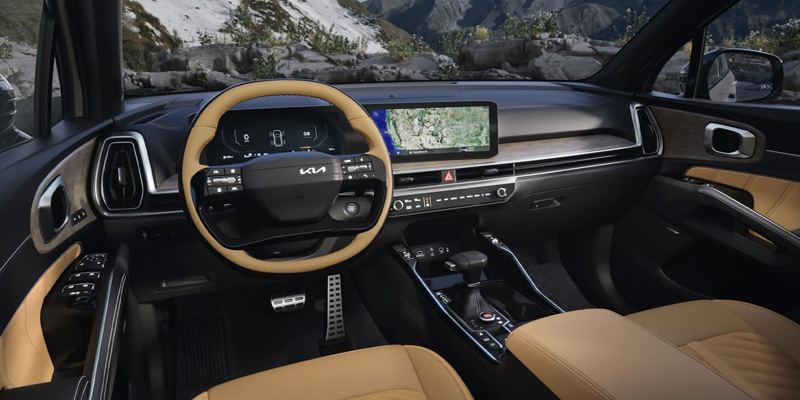
Modern vehicles are designed to make driving easier, safer, and more comfortable. One of the most important systems that contributes to this convenience is power steering. Without it, turning the steering wheel—especially at low speeds—would require a great deal of physical effort. Power steering reduces that effort, allowing drivers to control their vehicles smoothly and safely.
Understanding how power steering works can help drivers better appreciate their vehicle’s engineering and recognize potential problems before they become major issues.
What Is Power Steering?
Power steering is a system designed to assist drivers in turning the steering wheel. It reduces the amount of force needed to steer the vehicle, particularly when maneuvering at slow speeds or parking.
Before power steering became common, drivers had to rely entirely on manual steering systems. Turning the wheels required significant strength because the driver had to overcome the weight of the vehicle and the resistance of the tires against the road surface.
Power steering systems use hydraulic pressure, electric motors, or a combination of both to provide assistance, making steering much easier and more precise.
The Basic Components of a Power Steering System
Although different vehicles may use slightly different designs, most power steering systems include several core components that work together.
Steering Wheel and Steering Column
The steering wheel is connected to the steering column, which transfers the driver’s steering input to the rest of the steering system. When the driver turns the wheel, this motion moves the steering shaft and signals the power steering system to provide assistance.
Steering Rack or Steering Gear
The steering rack (commonly part of a rack-and-pinion system) converts the rotational motion of the steering wheel into the side-to-side movement that turns the vehicle’s wheels.
Power Steering Pump
In traditional hydraulic power steering systems, the pump generates hydraulic pressure. It is typically driven by the engine using a belt.
The pump pushes power steering fluid through hoses and valves that assist in turning the wheels.
Power Steering Fluid
Power steering fluid is a specialized hydraulic fluid that transfers pressure throughout the system. It lubricates components while allowing the system to create the pressure necessary to assist steering.
Hoses and Valves
Hoses transport the pressurized fluid from the pump to the steering rack. Control valves determine when and how much pressure is applied based on how the driver turns the wheel.
How Hydraulic Power Steering Works
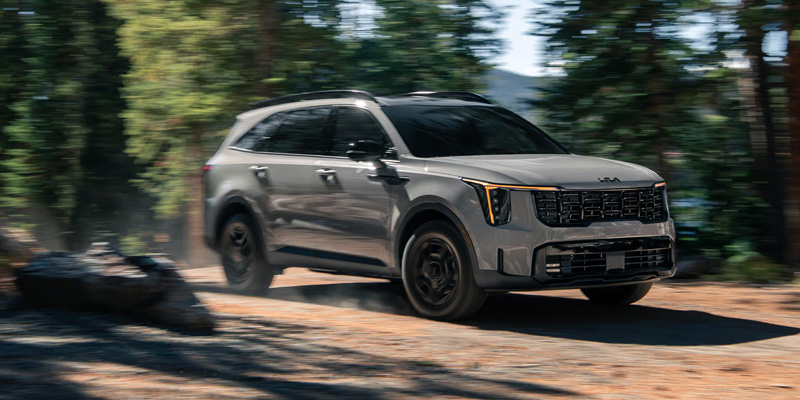
Hydraulic power steering has been used in vehicles for decades and remains common in many trucks and larger vehicles.
Here’s how the process works step-by-step:
- Driver Turns the Steering Wheel
When the driver turns the steering wheel, it rotates the steering column and engages the steering gear. - Control Valve Opens
A control valve senses the steering input and directs hydraulic fluid to the correct side of the steering rack. - Hydraulic Pressure Assists the Movement
The power steering pump pushes pressurized fluid into the steering gear. This pressure helps move the rack, which turns the wheels. - Wheels Turn with Less Effort
Because hydraulic pressure is helping move the steering components, the driver needs far less physical effort to turn the wheel.
When the steering wheel returns to center, the system redistributes the hydraulic fluid and resets the pressure.
Electric Power Steering (EPS)
Many modern vehicles now use electric power steering (EPS) instead of hydraulic systems.
Rather than relying on hydraulic fluid and pumps, EPS uses an electric motor connected to the steering system.
Sensors monitor:
- Steering wheel position
- Steering torque (how hard the driver is turning)
- Vehicle speed
The electric motor then provides the exact amount of assistance needed.
Electric power steering offers several advantages:
- Improved fuel efficiency (no engine-driven pump)
- Reduced maintenance since there is no hydraulic fluid
- More precise steering adjustments
- Compatibility with advanced driver assistance systems
EPS systems are also critical for technologies like lane-keeping assist and automated parking, which require computer-controlled steering input.
Speed-Sensitive Steering Assistance
One interesting feature of modern power steering systems is variable steering assistance.
The system adjusts how much help it provides based on vehicle speed.
At low speeds (like parking):
- Maximum steering assistance
- Very light steering feel
At high speeds (like highway driving):
- Reduced steering assistance
- Firmer steering for better control
This ensures drivers maintain stability and precision while driving at higher speeds.
Signs of Power Steering Problems
When power steering components begin to fail, drivers may notice several warning signs.
Common symptoms include:
- Steering wheel becoming hard to turn
- Whining or squealing noises when steering
- Power steering fluid leaks
- Steering wheel vibration
- Warning lights on the dashboard
In hydraulic systems, low or contaminated power steering fluid is often the cause. In electric systems, sensor or motor failures may be responsible.
Addressing these issues early can prevent larger repairs and ensure the vehicle remains safe to drive.
Why Power Steering Is Important
Power steering plays a crucial role in vehicle safety and drivability. It allows drivers to maintain better control of their vehicle in a variety of driving situations, from tight parking spaces to emergency maneuvers.
Without power steering, controlling modern vehicles—especially heavier trucks and SUVs—would be far more difficult.
Today’s systems are also more advanced than ever, integrating with driver assistance technologies to create safer and more efficient driving experiences.

Final Thoughts
Power steering may seem like a simple convenience feature, but it is actually a complex system that dramatically improves vehicle handling and safety. Whether using hydraulic pressure or electric motors, the goal remains the same: helping drivers steer their vehicles with minimal effort and maximum control.
By understanding how power steering works and recognizing the warning signs of potential issues, drivers can keep their vehicles operating smoothly and safely for years to come.
 Warranties include 10-year/100,000-mile powertrain and 5-year/60,000-mile basic. All warranties and roadside assistance are limited. See retailer for warranty details.